What is a dog wellness exam and why is it important?
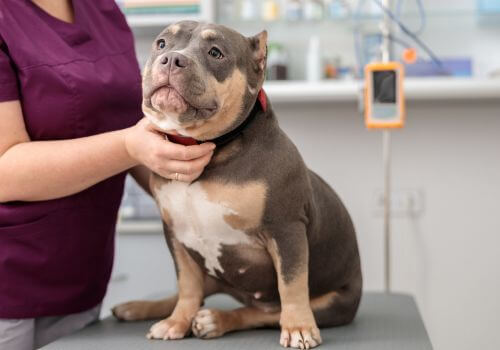
A dog wellness exam is when you bring your pet in for a full physical exam. We look at your dog from nose to tail. We listen to their heart and lungs and examine their teeth. It's always about prevention for them. We can catch a lot of things during a physical exam to ensure your pet's health.
How often should my dog have a wellness exam?
Usually, for adult dogs, we recommend once a year. However, puppies and senior dogs should be seen more often. We see puppies about once a month when they're between 8 weeks to about four months for their vaccines. For senior dogs, we like to see them twice a year for routine physical exams and sometimes blood work to closely monitor any ailments they might have.
What should I expect during a routine wellness exam for my dog?
During a routine wellness exam, you'll come in, and we always weigh our pets to monitor their weight, as dogs can gain or lose weight. You'll meet with the doctor, who will perform a full physical exam and check everything with your pet. You can ask any questions about lumps, behavior, new habits, food, supplements, or anything else you're wondering about your pet.
What happens if a veterinarian finds something abnormal during the dog wellness exam?
What we do depends on what we find. If it's a small lump that's been there for a long time, we might just monitor it. If your pet is losing weight for no apparent reason, we might want to do more diagnostics, such as blood work, x-rays, or even an abdominal ultrasound. It always depends on the situation.
What vaccines should my dog receive during a yearly exam?
We have two core vaccines for dogs: the rabies vaccine and the distemper combo vaccine.
 Additionally, there are three optional vaccines tailored to the pet's lifestyle.
- Bordetella is for kennel cough if your dog is around other dogs, like at dog parks, grooming facilities, or doggy daycare.
- The Lyme vaccine is useful because ticks are prevalent in Wisconsin and can help protect against that disease.
- The last one is leptospirosis, a bacteria found in water or soil and transmitted by rodents.
How can I prepare my dog for a wellness exam?
I always suggest bringing your pets hungry, as food-motivated dogs will do a lot for a treat. We use squeeze cheese and lick mats while they're here. Come prepared with all the supplements and medications your pet is on so we can discuss them if adjustments are necessary. Always write down any questions, as it can be overwhelming when you arrive, and having a list ensures that we address everything.
Will my dog need any blood test or lab work during the exam?
Usually, every dog will need a 4DX test, which checks for heartworm disease and three separate tick diseases: Lyme, anaplasma, and ehrlichia.
For senior dogs, we like to perform senior panels to ensure their liver and kidney values, white blood cells, and platelets are normal, helping us catch any diseases early if possible.
What are common health issues that wellness exams can help detect?
We can monitor for lumps or bumps that may be cancerous, identify arthritis, and manage it, detect dental disease, ear infections, and heart issues like murmurs or arrhythmias. Physical exams can reveal a lot about your pet's health.
How can an exam help in managing my dog's weight?
We always monitor a dog's weight at each visit. If we notice a trend of increasing weight, we can discuss calculating calories to ensure your dog is receiving the appropriate amount of food. If your pet is still gaining weight despite these measures, we might consider testing their thyroid for hypothyroid disease.
What should I bring to my dog's wellness exam appointment?
Bring their favorite treat if they're food motivated, or a toy that helps them relax. Also, bring all medications and supplements they're on, noting the dosages and types, along with any questions you have.
How can I ensure my dog stays calm and comfortable during this exam?
Every dog is different in terms of nervousness or excitement. If your dog is aggressive or anxious, we can schedule during quieter times. For aggressive dogs, you can wait in the car until a room is ready. We proceed slowly with pets, offering treats and not rushing. Some dogs may need medication before coming in to take the edge off. We tailor our approach to each pet, so let us know how your pet behaves so we can make them comfortable during their visit.
If you live in or near Mukwonago, WI, and are looking for quality pet care, come visit us at Mukwonago Animal Hospital where your pet is our priority. Contact us at (262) 363-4557 to set an appointment, or email us at [email protected]. Our staff would love to talk with you!
Don't forget to follow us on social media: Facebook, Instagram.